

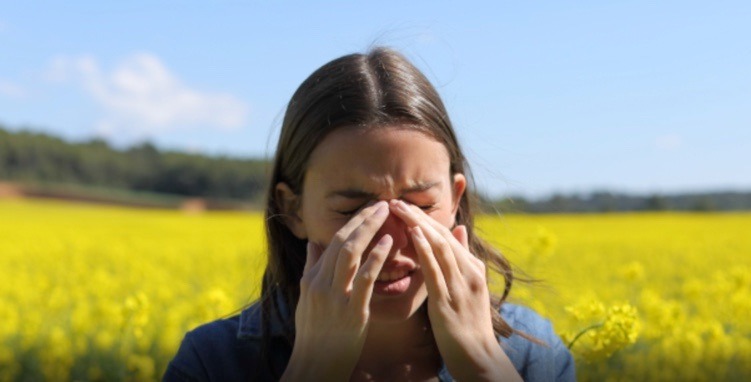
Hayfever is an allergy that affects as many as 25 % per cent of the UK population. Common hayfever symptoms may include itchy streaming eyes, blocked nose, redness and sneezing. Hayfever symptoms can worsen and may lead to coughing, asthma, wheezing, lack of sleep and fatigue. Hayfever is thought to be an overreaction of the bodies immune system to pollen or spores from grass, weeds or trees. The inhaled pollen aggravates the sensitive nasal linings and sets off a cascade of uncomfortable inflammatory responses. Our immune system mistakenly believes the inhaled pollen spores are viruses or bacteria attacking the body. In response, the immune system produces histamine producing mast cells and other inflammatory chemicals to fight the “invaders”. Histamine responses can be dramatic and initiate Hay fever, allergies and severe inflammation. Different histamine responses can be provoked by food and pet hair allergies, generating skin conditions like eczema. Interestingly histamine also works with our immune system protecting us against bacteria and parasites. Typically tree pollen arrives around March, followed by grass pollen in June. However, seasonal peaks depend on how wet, dry, warm or cold it has been.
Treating Hayfever with Acupuncture brings relief from hayfever by stimulating nerves located around the face, muscles and surrounding tissues. The treatment focuses on specific Acupuncture points around the body to reduce the histamine immune response and the inflammation that often follows. As the Acupuncture points are stimulated, the body releases endorphins and other anti-inflammatory neurochemical messengers around the body. Acupuncture treatment teaches the immune system not to overreact to pollen, certain foods and pet hair. After the Acupuncture treatment, the part of your brain that has become hypersensitive to pollen and activates the hayfever histamine response is calmer. It has been found to boost the immune system if natural defence mechanisms are inefficient. Acupuncture can effectively treat hayfever and allergies, without any lasting side effects. Hayfever often responds quickly and positively to a short course of Acupuncture. Occasionally depending on age and type of sensitivity levels to pollen, you may need an occasional top-up.
Hay Fever Symptoms
- Sneezing
- Headaches
- Watering eyes
- Itchy, red eyes
- Gritty feeling in the eyes
- Blocked nose
- Loss of smell or taste
- Blocked sinuses (sinusitis)
- Runny nose
- Disturbed sleep
- Itchy ears
Pollen Timetable
Hay Fever sufferers are usually only allergic to certain types of pollen.
- February – June: Mainly tree pollen, early flowering or late-flowering trees.
- May-August: Mostly grass pollen
- August – September: nettle and weed pollen
There are many other theories as to why pollen is so high at times. Ideas include fewer grazing animals due to foot and mouth or the heavy rain in February repressing pollen release. One theory is that carbon dioxide emissions may also raise pollen counts in our cities.
Helpful Advice for Avoiding Pollen
- Check the pollen count in the morning.
- Keep doors and windows shut when the pollen count is high.
- Wear sunglasses to help keep pollen grains out of your eyes and reduce the chance of developing an eye infection (conjunctivitis). Sunglasses also help as the sunlight stimulates sneezing.
- After being outside, shower, wash your hair and change clothes as pollen is trapped in your clothes. Cats and dogs also carry a lot of pollen in their fur.
- Use an effective vacuum cleaner with a micro-filter to help remove pollen grains from carpets and soft furnishings.
- Keep away from grassy areas such as parks and gardens, especially if the grass has recently been cut.
- Keep your grass well-trimmed or pave it over. The National Asthma Campaign produces a leaflet on a low allergen garden, recommending flowers and shrubs, which are insect, rather than wind, pollinated.
- Keep car windows shut when driving.
- When changing your car, consider buying one with a pollen filter.
- Avoid added irritants such as smoky atmospheres and paint fumes.
- If you are going abroad, find out about the local hay fever season from your travel agent or Pollen Research Unit.
- Some countries have less pollen, holidays by the sea may be more comfortable.
- Moulds can also cause problems for hay fever suffers. So:
- Get rid of damp issues within the home. Grouting and other bathroom surfaces can harbour moulds as can house plant topsoil.
- Reduce humidity by opening vents in the kitchens and bathrooms.
- Keep doors to these rooms closed to stop damp spreading.
- Avoid walking in woodland areas where there are lots of mould spores. Avoid the use of compost heaps in gardens.
Other Ways to Help Yourself
- Avoid cutting grass, playing or walking in grassy areas, and camping during certain times.
- Have regular Acupuncture for hayfever before the pollen season or as soon as symptoms start.
- Wear wraparound sunglasses to stop pollen from getting in your eyes when you are outdoors.
- Change your clothes and take a shower after being outdoors to remove the pollen on your body.
- Try to stay indoors when the pollen count is high (over 50).
- Keep windows and doors shut in the house. If it gets too warm, draw the curtains to keep out the sun and keep the temperature down.
- Do not keep fresh flowers in the house if aggravating.
- Vacuum regularly, ideally using a machine with a HEPA (high-efficiency particulate air) filter.
- Damp dust regularly. Dusting with a wet cloth, rather than a dry one, will collect the dust and stop any pollen from being spread around.
- Keep other peoples pets out of the house during the hay fever season. If you have a pet that does live indoors, bathe it regularly to remove any pollen from its fur.
- Do not smoke or let other people smoke in your house. Smoking and breathing in other people’s smoke will irritate the lining of your nose, eyes, throat and airways, and can make your symptoms worse.