

[ Newbury Chiropractor ]
Problems with hips, legs, knees and ankles
Hip, leg, knee, ankle and foot pain
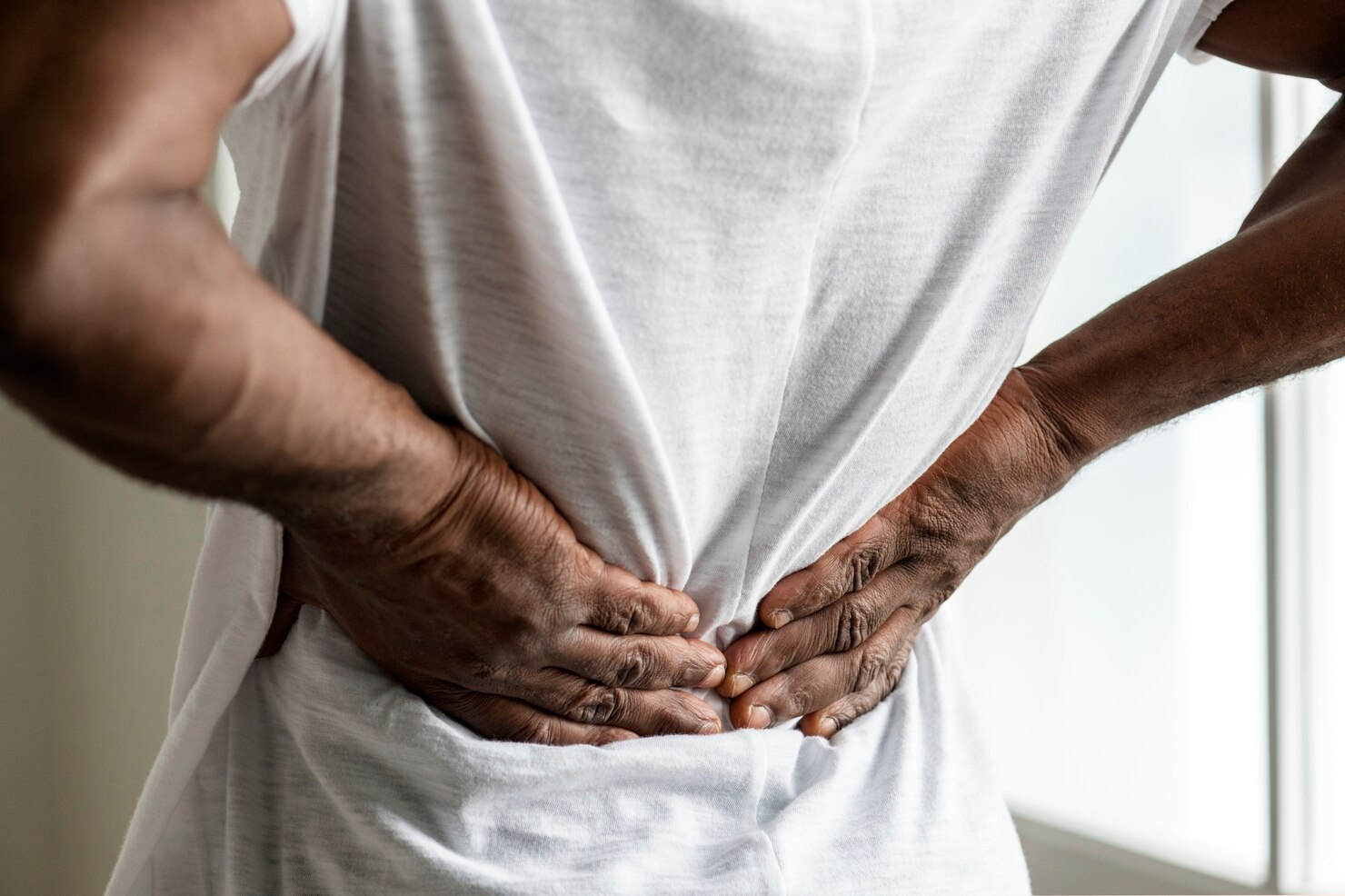
Hip pain
Hip pain is a common problem that can affect people of all ages. Whilst arthritis is one of the most common causes, there are many other conditions that can contribute to pain and stiffness around the hip.
Common causes of hip pain include:
Symptoms may include pain in the groin, buttock or outer hip, stiffness when walking, difficulty putting on shoes and socks, or discomfort when getting in and out of a car.
Whilst we cannot reverse the physical changes associated with arthritis, we can often help reduce pain, improve mobility and keep you active through a combination of hands-on treatment, exercise and lifestyle advice.
Leg pain
Leg pain can originate from the muscles, joints or nerves and may be felt anywhere from the hip down to the foot.
Common causes include:
Symptoms may include aching, burning, cramping, weakness, numbness or tingling.
A careful assessment is important to identify the source of the problem and determine the most effective treatment approach.
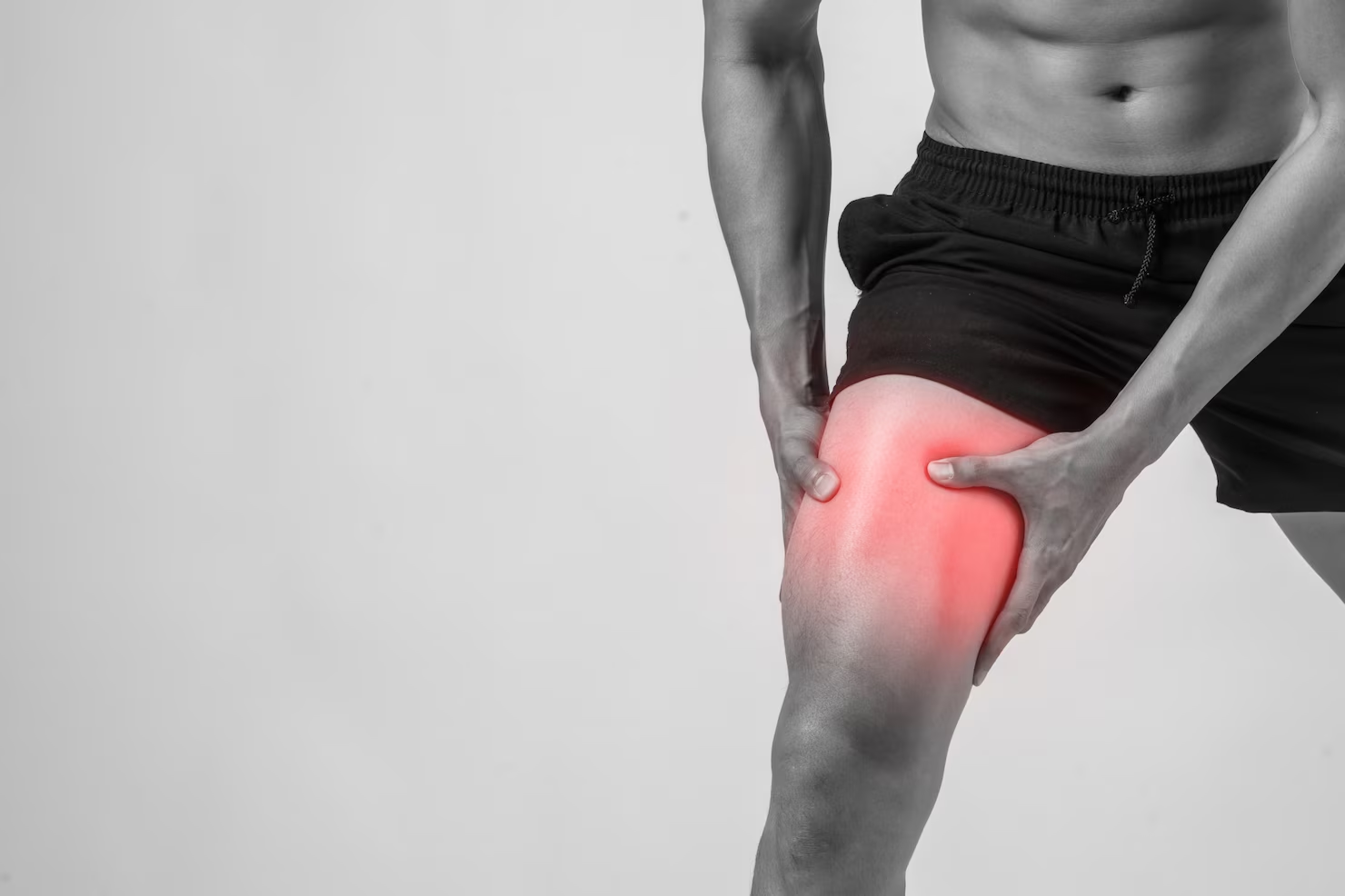
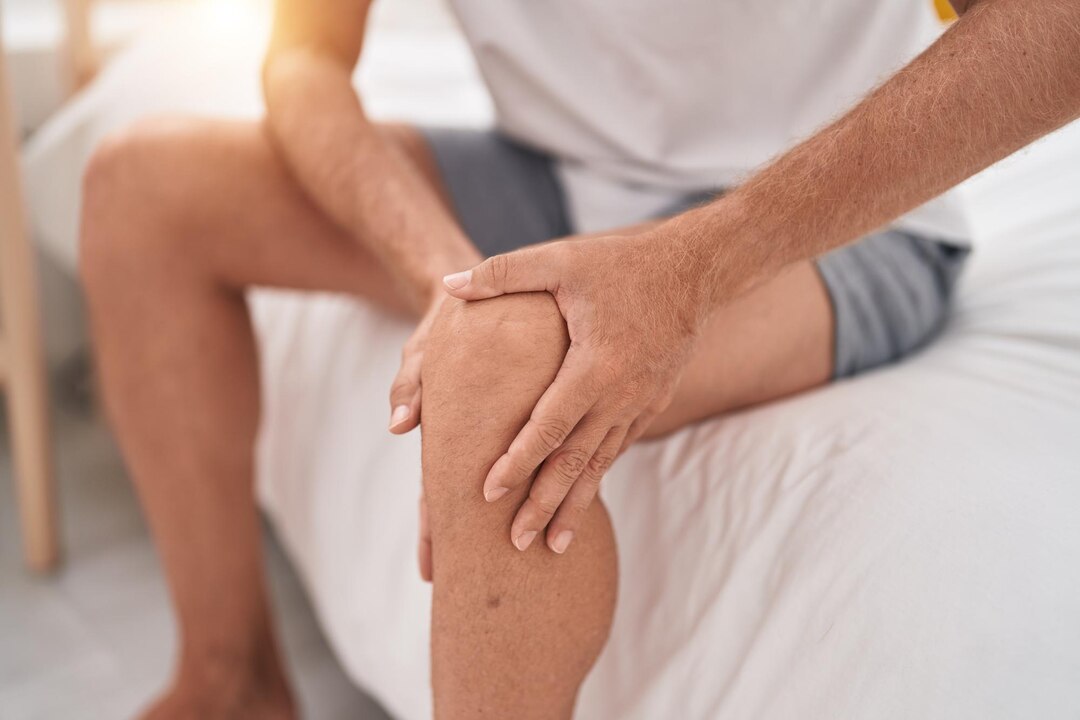
Knee pain
The knee is the largest joint in the body and is subjected to significant forces during walking, running and sporting activities.
Common causes of knee pain include:
Knee injuries often occur during twisting, bending or impact activities such as football, skiing, running and other sports.
Treatment may help improve joint movement, reduce pain and swelling, strengthen supporting muscles and improve overall knee function.
Ankle pain
Common causes of ankle pain include:
Treatment may help restore movement, improve stability and reduce the risk of future sprains.
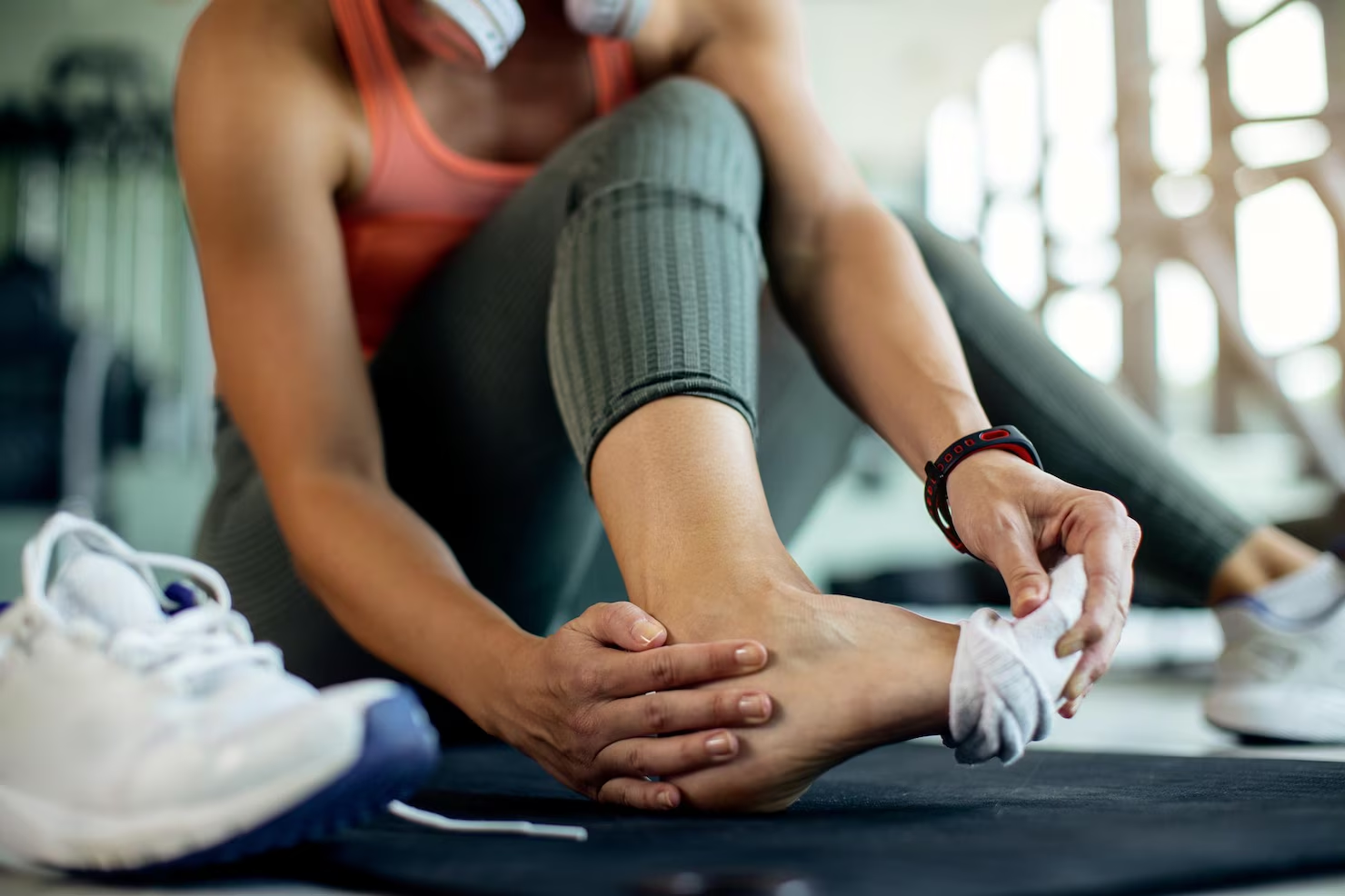
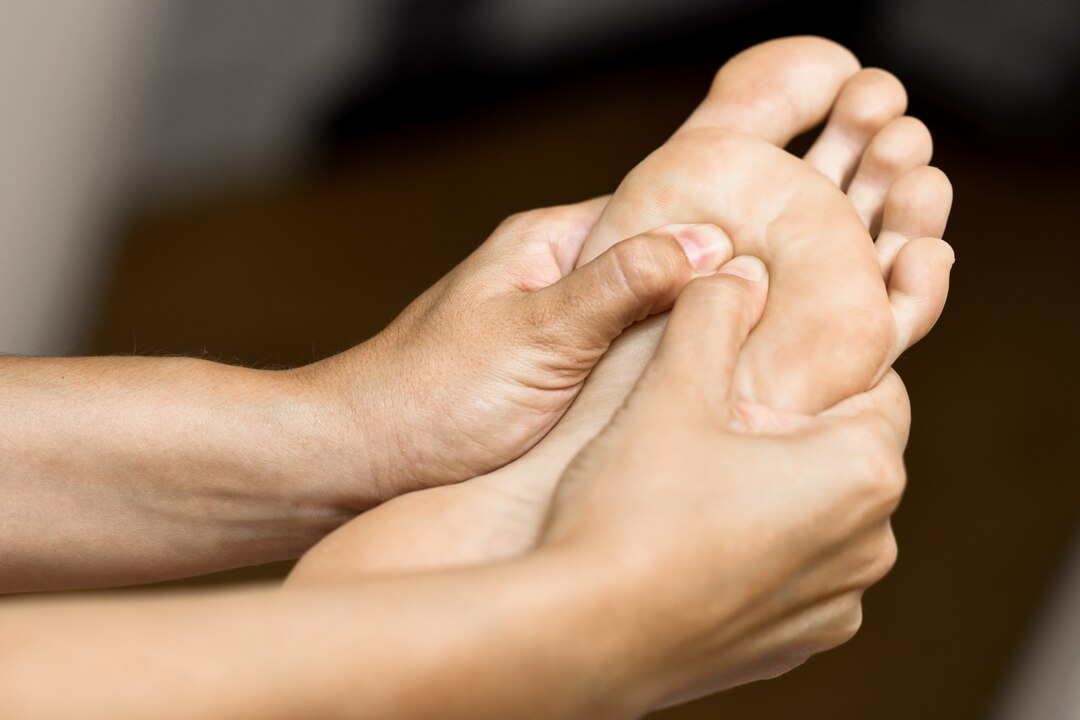
Foot pain
Common causes of foot pain include:
Our chiropractors can assess how your feet are functioning and identify whether they may be contributing to pain elsewhere in the body.
How can we help?

At Newbury Chiropractic Centre, treatment is tailored to your individual diagnosis and may include:
- Chiropractic adjustments and mobilisation
- Soft tissue and massage therapy
- Rehabilitation and strengthening exercises
- Acupuncture where appropriate
- Postural and movement advice
- Ice and heat therapy guidance
- Activity and lifestyle modification
Where appropriate, we may recommend further investigation or imaging to help confirm a diagnosis and ensure you receive the most appropriate care.
Our goal is not only to relieve your symptoms, but also to address the underlying cause of the problem, helping you return to the activities you enjoy and reducing the likelihood of future recurrence.
[ Contact us ]
You don't have to live your life in pain – arrange a consultation and see how we can help you
What our patients say