

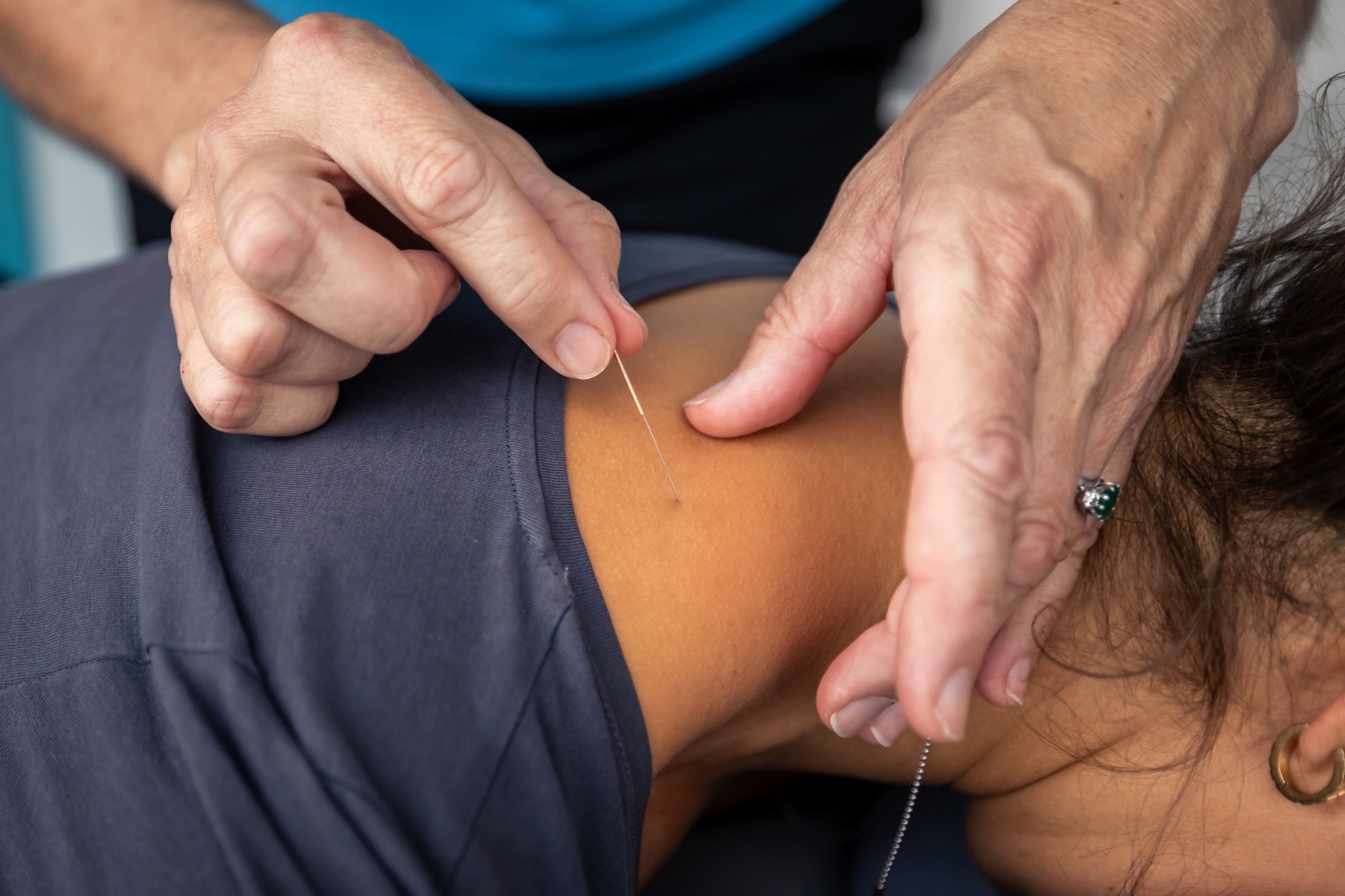
Hi, I’m Teja, one of the chiropractors at Newbury Chiropractic Centre. Recently, I had the opportunity to attend a course on Acupuncture and Dry Needling—a topic that has intrigued me for quite some time. I’ve always been curious about the distinction between these two techniques and how each can benefit patients in different ways.
Through the course, I gained valuable insights into both practices. Dry needling, I learned, is a precise and effective technique designed to target specific areas of muscle tension, while acupuncture takes a more holistic approach, focusing on balancing the body as a whole.
I’m excited to incorporate dry needling into my treatments and explore the positive impact it can have on helping patients achieve relief and recovery. In this blog, I’ll share what I’ve learned to help you better understand these therapies and how they might benefit you.
Let’s dive in!
Exploring the Benefits of Dry Needling for Pain Relief and Recovery
If you’ve ever experienced persistent pain, muscle tightness, or restricted movement, you know how much it can impact your daily life. While chiropractic adjustments and mobilisations focus on restoring alignment and improving joint function, there’s another powerful tool that can take treatment to the next level: dry needling.
What is Dry Needling?
Dry needling is a minimally invasive treatment that involves the insertion of thin, sterile needles into specific areas of the muscles in the body, such as trigger points (also known as muscle knots). Trigger points are hyperirritable spots in the muscle that can cause pain, tightness, and even referred pain to other parts of the body. Dry needling offers a targeted approach to address these issues.
How does dry needling work?
1. Targeting Trigger Points
A trained practitioner identifies the specific areas of muscle tension contributing to your pain or dysfunction.
2. Inserting Fine Needles
Thin, sterile needles are inserted into the trigger points or tight muscles. This can stimulate a natural reaction in the muscle, sometimes known as a local twitch response, which helps release tension.
3. Releasing Muscle Tension
The needle action reduces tightness, restores normal muscle tone, and calms overactive nerves, helping to alleviate pain and improve mobility.
4. Improving Circulation
The treatment increases blood flow to the area, promoting healing by delivering oxygen and nutrients while reducing inflammation. The skin around the needle site might also turn red due to a surge in blood flow.
5. Activating Natural Pain Relief
Dry needling also encourages the body to release endorphins, your body’s natural painkillers, to further reduce discomfort.
While it may sound similar to acupuncture, dry needling is rooted in Western medical science and focuses on the physical structure and function of the muscles and nervous system. Acupuncture is an ancient practice rooted in Traditional Chinese Medicine (TCM), dating back thousands of years.
A Brief Overview of Acupuncture
Acupuncture is a traditional healing technique that involves inserting thin, sterile needles into specific points on the body. These points, known as acupuncture points, are believed to be located along pathways called meridians, which are thought to influence the flow of energy, or “Qi” (pronounced “chee”).
The goal of acupuncture is to restore balance and promote the body’s natural healing abilities by stimulating these points. It is commonly used to manage pain, improve overall wellness, and treat a variety of conditions, such as headaches, back pain, stress, and digestive issues.
What’s the Difference Between Dry Needling and Acupuncture?
| Aspect | Dry Needling | Acupuncture |
| Philosophy | Rooted in Western medical science. | Rooted in Traditional Chinese Medicine. |
| Target Areas | Focuses on muscle knots (trigger points). | Focuses on meridians and energy flow (Qi). |
| Duration of needle insertion | 30 seconds – 15 minutes. | 25 – 40 minutes for best results. |
| Purpose | Relieves localised pain and muscle dysfunction. | Balances energy and treats a variety of ailments. |
| Practitioners | Chiropractors, osteopaths, sports therapists etc. | Licensed acupuncturists trained in TCM. |
Conclusion
Dry needling is a highly effective tool that can enhance chiropractic care by addressing muscle tension, pain, and dysfunction that may be affecting your overall well-being. By targeting trigger points and promoting healing through improved circulation and muscle relaxation, dry needling supports the body’s natural recovery process and helps restore balance to the musculoskeletal system.
When combined with chiropractic care, dry needling can lead to quicker relief, improved mobility, and better long-term results. Whether you’re dealing with chronic pain, recovering from an injury, or simply seeking to enhance your physical function, dry needling offers a safe and proven way to complement your chiropractic treatment.